
Umfassender Verpackungsleitfaden für sichere und geschützte Sendungen
Einführung
Eine ordnungsgemäße Verpackung ist unerlässlich, damit Ihre Sendung den Bestimmungsort sicher und ohne Verzögerungen erreicht. Die Spediteure haben strenge Anforderungen, deren Nichteinhaltung zu einer Ablehnung der Abholung, einer Beschädigung Ihrer Waren oder zu zusätzlichen Kosten führen kann. In diesem Leitfaden finden Sie detaillierte Anweisungen, wie Sie Ihre Sendung richtig verpacken, egal ob es sich um ein kleines Paket oder eine große Palette handelt.
We cannot be held responsible to shipments that are poorly packed. Insurance of poorly packed shipments is automatically forfeited. All shipments require a photo of the packed item to be submitted prior to pickup for both insurance purposes and to insure the state of the item.
Quick Verpackungsrichtlinien für Kisten
See additional regulations and tips at the bottom of this page
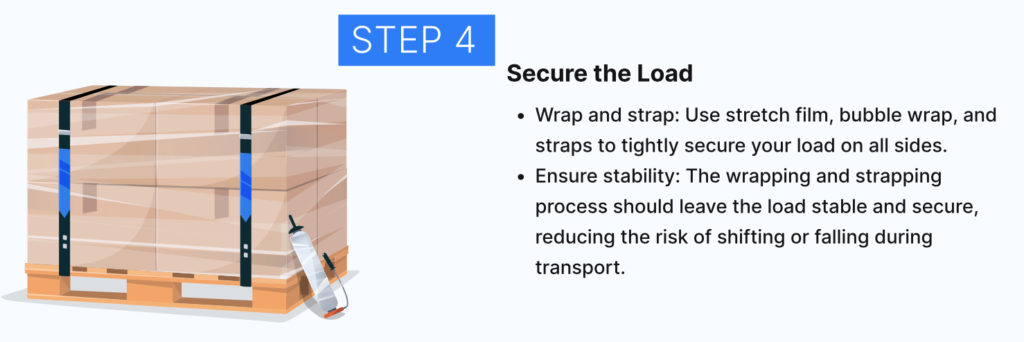
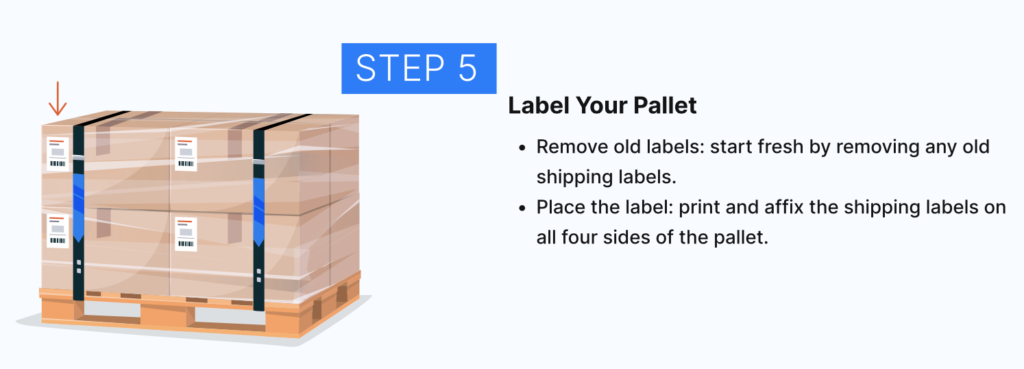
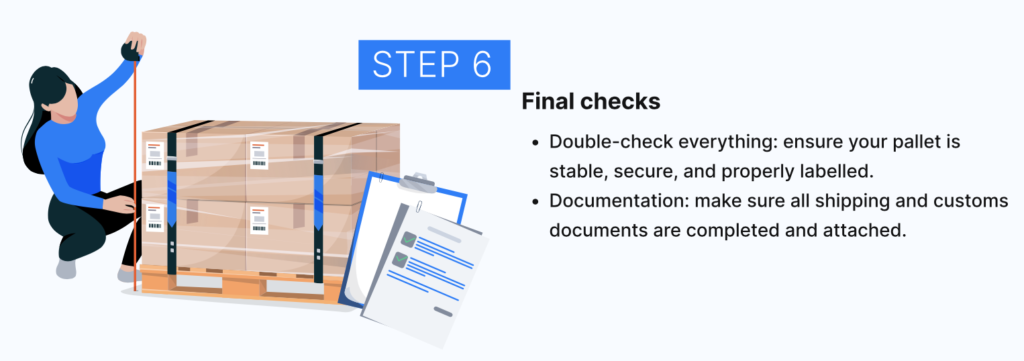
Quick Packing Guidelines for Pallets
See additional regulations and tips at the bottom of this page
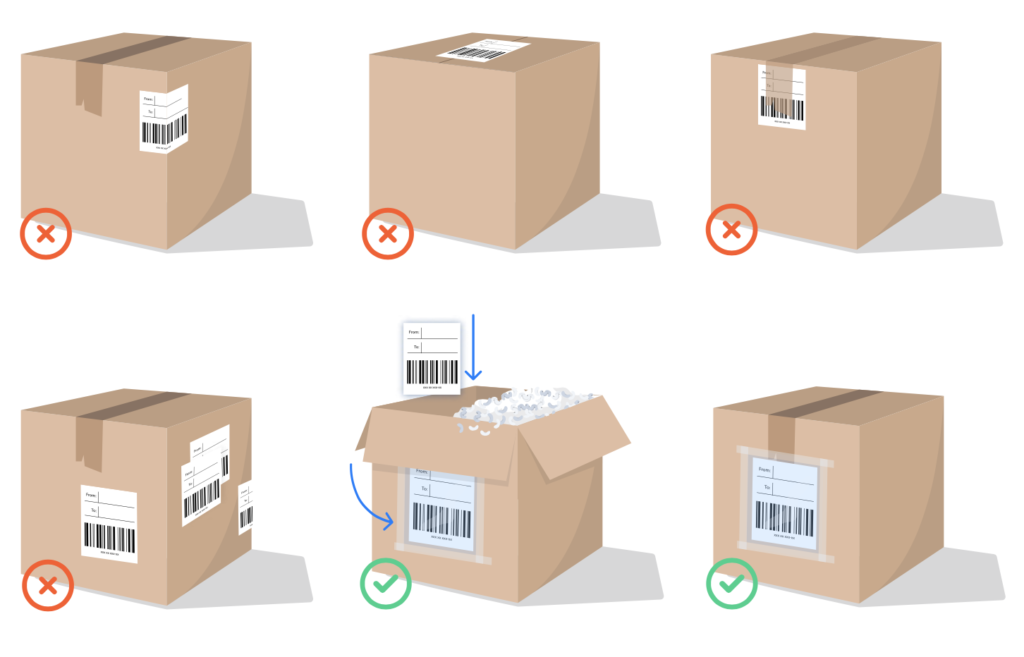
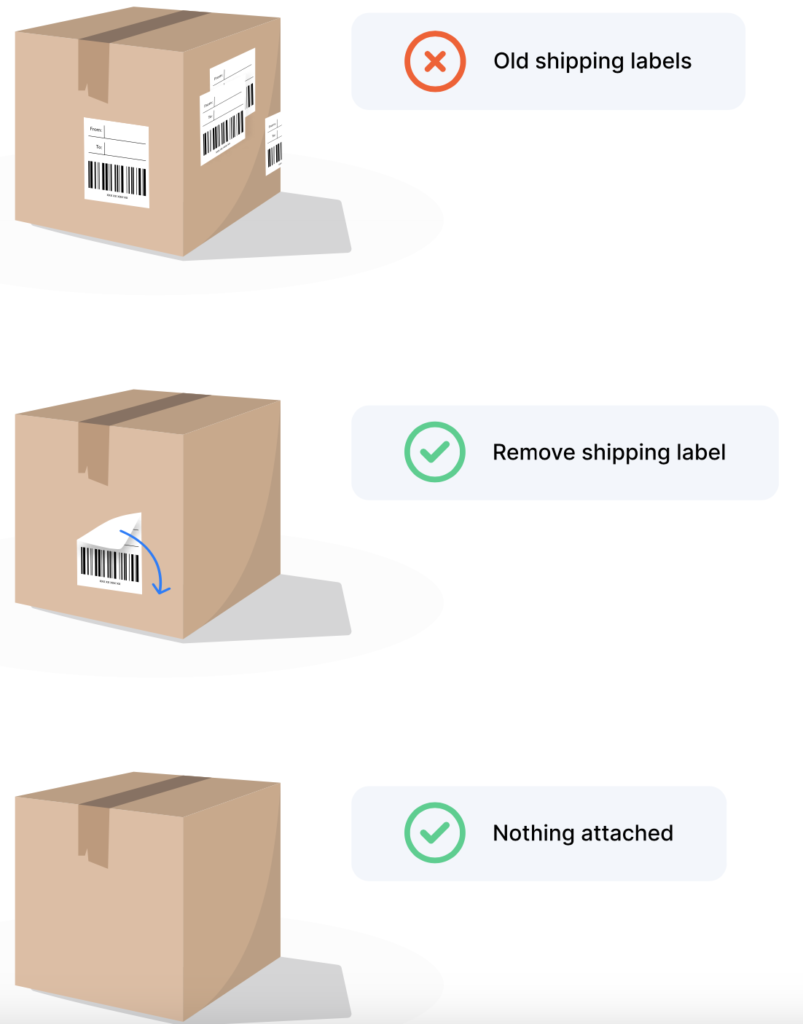
Quick Guide Attaching Shipping Labels
See additional regulations and tips at the bottom of this page

Packing Guide — Safe & Secure Shipments
Proper packaging ensures your shipment arrives safely, is accepted by carriers, and avoids delays or extra fees. Follow this guide to pack both small boxes and large palletized shipments correctly.
📦 Verpackungsrichtlinien für Kisten
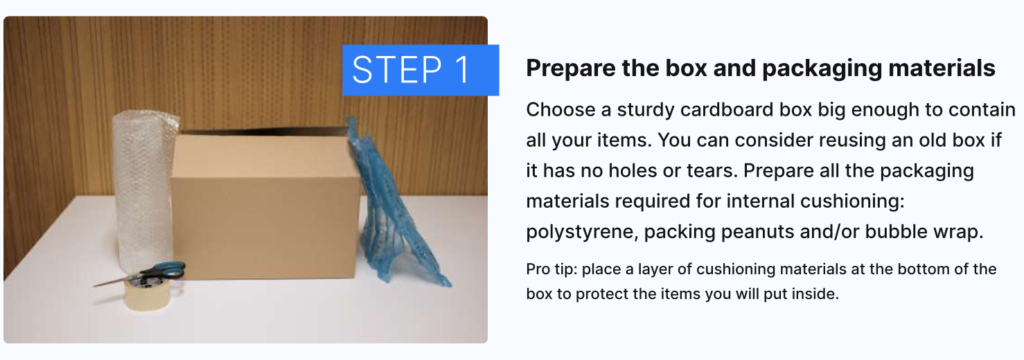
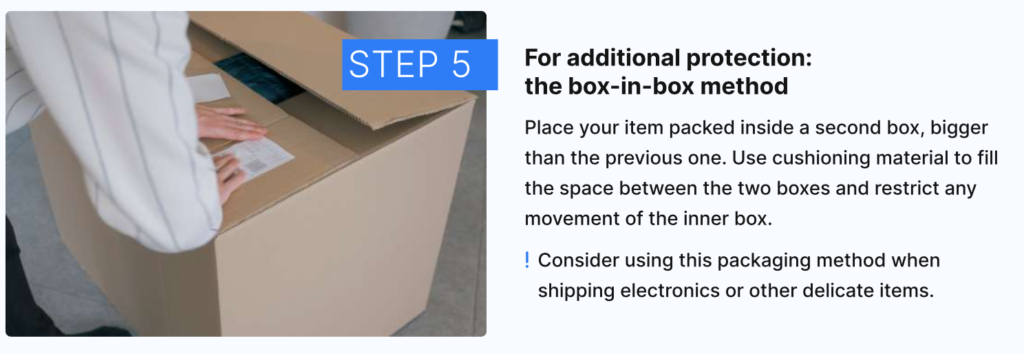
1. Choose the Right Box
- Use a new, strong double-walled corrugated box for fragile or heavy items.
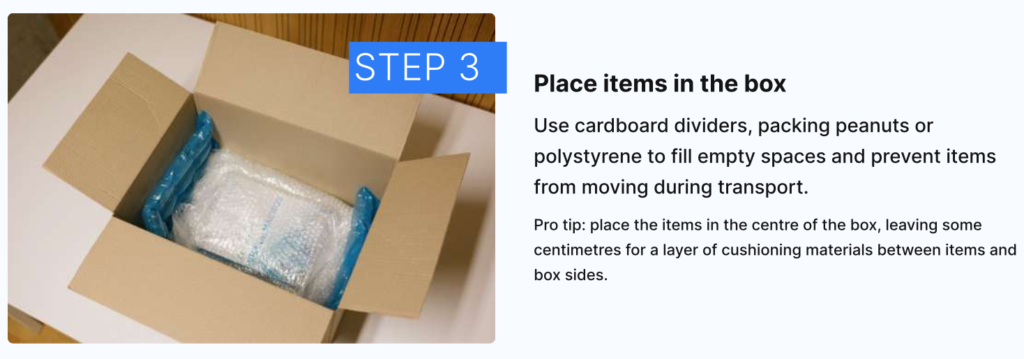
- Boxes should be slightly larger than the items to allow room for cushioning.
- Avoid reusing old/weak boxes that might break during handling.
2. Cushioning & Internal Protection
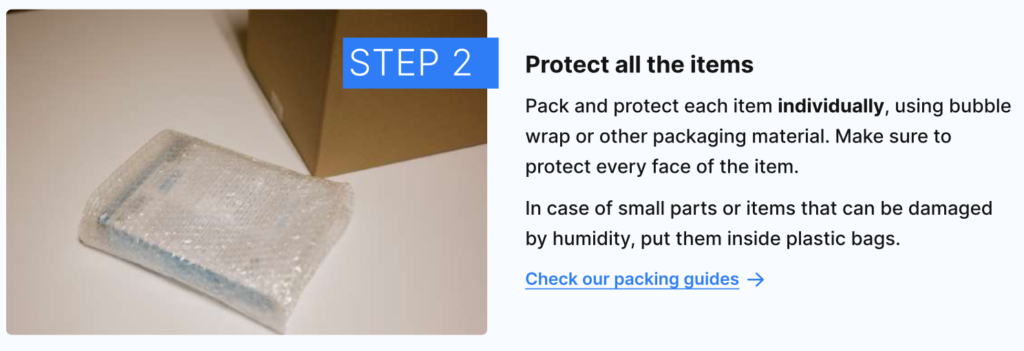
- Wrap each item individually with bubble wrap, foam, or packing paper.
- Fill empty spaces with packing peanuts or crumpled paper to prevent movement.
- Add extra protection around fragile items and mark these boxes clearly as FRAGILE.
3. Sealing the Box
- Use high-quality packing tape (avoid duct tape or masking tape).
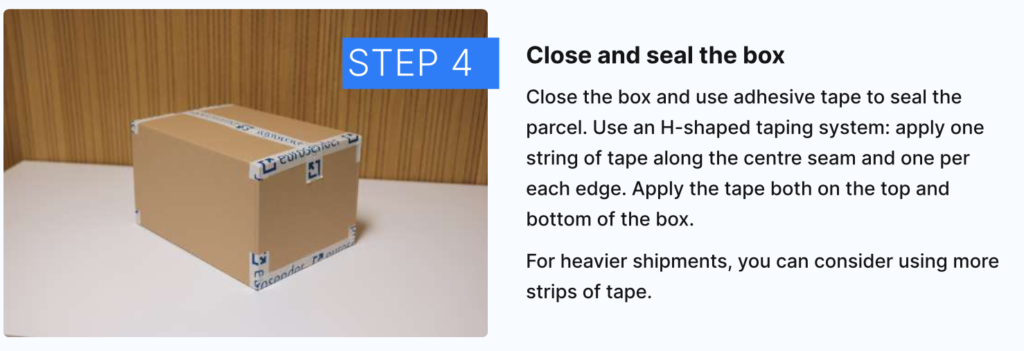
- Seal using the ‘H’ method: tape along the center seam and both edges.
- Make sure all flaps are fully closed and secured so nothing can slip out.
4. Labeling
- Attach the provided shipping label with transparent tape so it won’t rub off.
- Include a duplicate label inside the box in case the outer label gets damaged.
- Clearly mark boxes with special handling instructions (e.g., This Side Up, Fragile).
📦 Verpackungsrichtlinien für Paletten
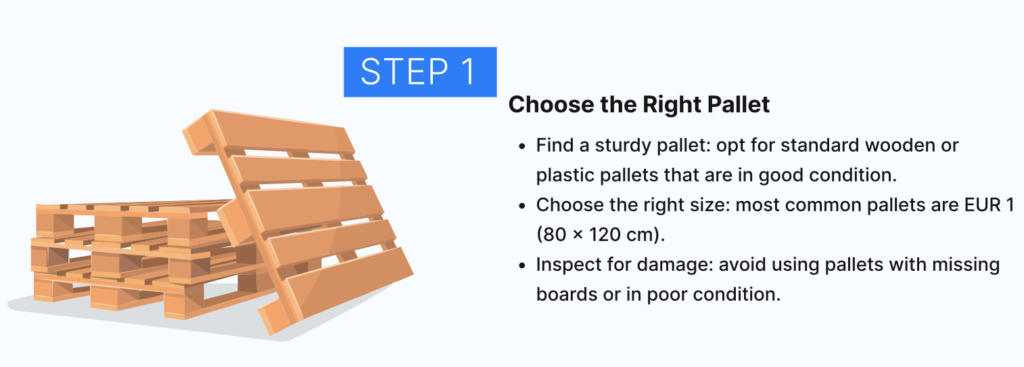
1. Selecting the Right Pallet
- Use a standard wooden or plastic pallet in good condition (no broken boards or nails).
- The pallet must be strong enough for the total weight of the shipment.
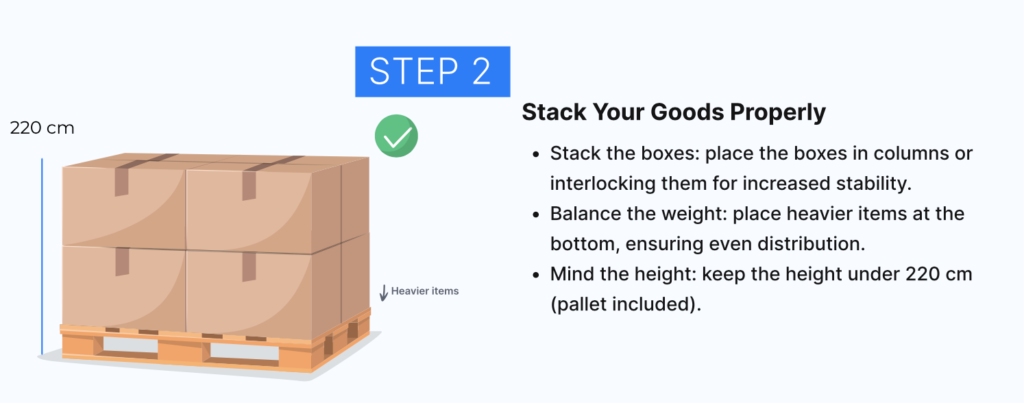
2. Stacking Items Properly
- Place heavier items at the bottom and lighter items on top for stability.
- Distribute weight evenly across the pallet.
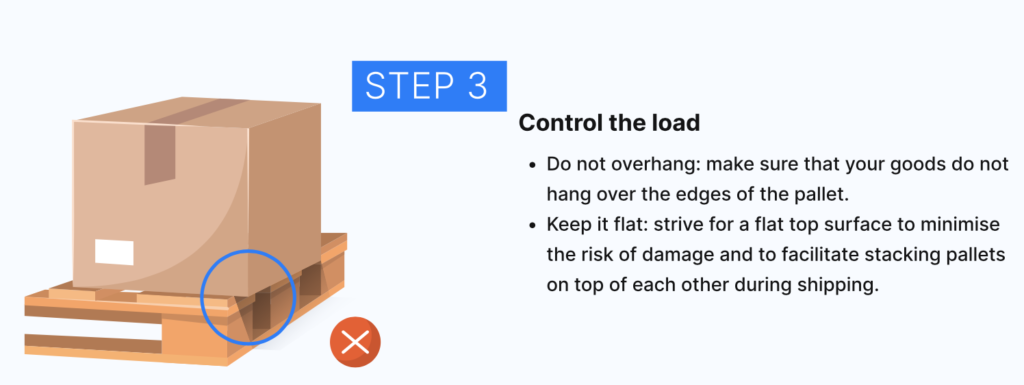
- Keep stacked goods within the edges so they don’t overhang.
3. Securing the Load
- Wrap the pallet with industrial-strength stretch wrap to secure contents.
- Use straps or bands for extra reinforcement, especially for heavier shipments.
4. Labeling the Shipment
- Place the shipping label on at least two sides so it’s visible from different angles.
- Use appropriate warning labels for fragile or sensitive items.
📊 Stackability — What You Need to Know
Your pallet may be stapelbar oder nicht stapelbar — and this affects how carriers handle your shipment:
Stackable Pallets
- Can safely support another pallet on top.
- Require flat, stable packing and tightly sealed boxes.
This often reduces shipping costs because space is used more efficiently.
Non-Stackable Pallets
- Cannot safely support another pallet’s weight due to shape, fragility, or instability.
- These may be shipped separately and could lead to higher carrier charges.
🧠 Zusätzliche Überlegungen
- Weight & Size Compliance: Weigh and measure your shipment well before pickup to avoid surprise fees.
- Prohibited Items: Some items cannot be shipped — always check your Liste verbotener Gegenstände before packing.
- Why Proper Packing Matters: Carriers may refuse pickup or charge extra for poorly packed goods and non-contracted and non-scheduled weight and size differences. Secure packing also reduces damage risk.
 EN
EN  PT
PT  FR
FR  ES
ES  NL
NL  DE
DE  IT
IT  PL
PL  RO
RO  SR
SR  CS
CS  ZH
ZH